



With the plastic surgery market anticipated to reach 77.77 billion by 2032, the competition in the plastic surgery market is getting all heated up. And with this, a lot of plastic surgery practices are struggling to stand out and get the attention of their target audience because of the absence of a positive reputation. Effective reputation management for plastic surgeons can increase client appointments, foster trust among patients, and shape how the public perceives their brand.
However, establishing a positive reputation in this highly competitive market is quite a task. But don’t worry, we have discussed some of the major online reputation management strategies that plastic surgery practices can implement to establish and maintain a strong online presence. So, let’s get started.
What is Reputation Management for Plastic Surgeons
Plastic surgeon reputation management is the process of actively managing their digital image by tracking, handling, and encouraging how patients perceive them online.
Effective online reputation management can help establish trust, captivate patients, and ensure positive patient perception through valuable content, strategic responses to negative comments, and establishing a positive online presence. It is vital to showcase expertise, establish confidence among patients, and set your plastic surgery practice apart from others in a highly competitive field.
Why Must Plastic Surgeons Invest in Reputation Management
Now that you have a clear idea of what reputation management is for plastic surgery practices, let us take a look at why effective reputation management matters to them.
- Better Search Engine Rankings
The more online reviews you get, the better, as these signal to patients that your plastic surgery practice is legit and reliable. Reviews from satisfied patients can also help establish an exceptional brand reputation, which in turn attracts more patients to your practice and its services.
- Higher Patient Trust
Online reviews are more than just the technical specifics of reputation management. They can also help retain patient trust and loyalty, which patients must have in your plastic surgery practice. For the majority of people, they want the best when it comes to reconstructive surgery, so they will choose a plastic surgery practice that has the most positive online reviews.
New patients also check people’s reviews to determine whether or not they will be scheduling an appointment at a particular plastic surgery practice. When a potential client sees that your plastic surgery practice has an exceptional online reputation, they are most likely to engage with your practice.
- Better Patient Experience
Customers must be the priority for every business. It is crucial to know the needs and preferences of your patients so you can adjust your products and services accordingly. Plastic surgeons cannot simply manage their practice without knowing what their potential clients want. When you start taking online reputation management seriously, you can easily determine what patients think about your plastic surgery practice.
In case there are any complaints or negative reviews, plastic surgery practices must address them promptly and professionally. This is because 36% of patients check whether negative reviews are responded to thoughtfully. Therefore, any negative reviews should be addressed carefully to prevent damaging content from being shared online.
Managing reviews effectively means proactively and professionally addressing negative feedback, which can make clients feel valued. A clear and positive online content helps plastic surgery practices manage patient expectations, leading to a better patient experience.
- Higher Conversion Rates and Profitability
When it comes to healthcare, patients want the best for themselves. Oftentimes, they do not care about paying extra if the plastic surgeon they are choosing has a proven track record and is trustworthy and reliable.
Patients heavily rely on positive reviews and ratings, and they use these elements to decide whether or not to book an appointment with your plastic surgery practice.
Effective Reputation Management Strategies for Plastic Surgeons
Here are a few reputation management strategies that can be implemented by plastic surgery practices to shape how their practice is viewed online.
- Successfully Manage your Online Reviews
Managing online reviews is a crucial part of effective reputation management for plastic surgeons. Online reviews are the most important aspect of plastic surgeons. With 93% of patients checking online reviews before taking up a service, it serves as an exceptional way to showcase your expertise and let patients know that your practice is authoritative and legitimate.
This means that plastic surgeons must prioritize and manage online reviews effectively. In order to leverage the power of online reviews, you must incorporate effective strategies to make your patients share their valuable experiences with your plastic surgery practice.
Now, you must be thinking, but how? So here are a few ways how plastic surgeons can encourage their clients to share reviews.
- Request Reviews Promptly: To ensure effective reputation management, plastic surgery practices must ask their patients for feedback immediately after their appointment. This is the ideal time because this time, their experience is fresh in their minds.
- Ensure a Seamless Review-Giving Process: Plastic surgeons must make it easy for their patients to leave a review. This can immensely increase the chances of patients taking the time to share their thoughts.
- Demonstrate the Importance of Reviews: Plastic surgery practices must clearly explain to patients how their feedback matters and how it helps potential patients make informed decisions.
- Respond to Reviews Professionally and Promptly
You need to handle your negative reviews correctly. Quick responses to reviews often highlight that your plastic surgery practice values patients’ opinions and respects their feedback, fostering trust and loyalty.
Appreciating positive reviews showcases that you acknowledge satisfied patients, fortifying their decision to choose your plastic surgery practice over others. Promptly and professionally addressing negative reviews can help resolve issues more easily, enhancing patient experiences and transforming unsatisfied patients into loyal ones.
Here is how plastic surgeons can effectively respond to patient reviews:
- For Positive Reviews:
- Firstly, plastic surgeons must thank the reviewers for their valuable feedback
- Showcase the positive reviews in the review section to show that you have read their reviews and acknowledged them.
- While maintaining a pleasant tone, plastic surgery practices must ensure that their response sounds professional and does not reveal any personal patient information.
- For Negative Reviews:
- First of all, plastic surgery practices must start by thanking the patient for taking the time to share their feedback
- Next, you need to directly address the negative experience they had to go through by expressing your deepest regrets that they were not fully satisfied.
- Professionally respond to the concern without being defensive; this will worsen the matter. Rather, plastic surgery practices must maintain a professional and respectful tone throughout.
- Clearly describe any steps that you are taking or planning to take to address the problem.
- Try taking the matter offline and discussing it by inviting them to connect with you through phone or email to initiate a more detailed discussion.
- Effectively Manage Your Google Business Listings
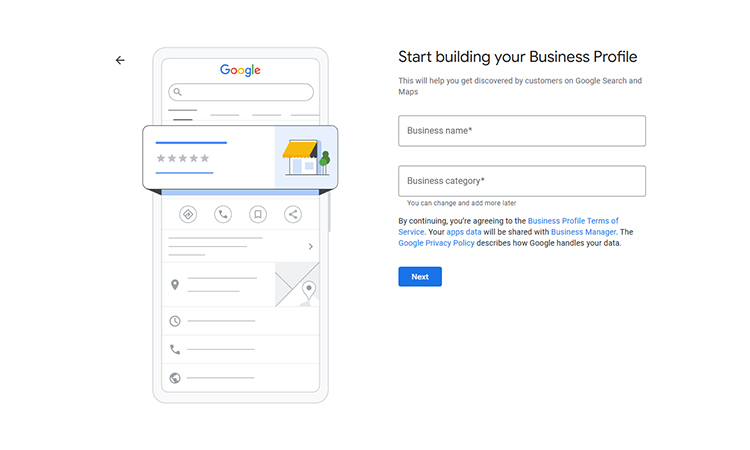
Google is the go-to source of information for almost every person using the Internet. When you search for something, using Google search or Maps, you will find reviews popping up. This is because Google wants its users to consider going through reviews before making a decision. Establishing your Google Business Profile is crucial for maintaining a successful reputation management strategy for plastic surgeons.
To make it easier for people to leave reviews about their experience with your plastic surgery practice, you will need to set up a proper and verified GBP listing. Here is how you can do that.
- Firstly, plastic surgeons need to navigate to Google Business Profile and click on “Add My Business.” Alternatively, you can also search for your practice’s name in Google Search or Maps to claim an existing profile.
- Now, sign in with your Google account. In case you do not have one, you can create a new account.
- After that, plastic surgeons are required to enter their business details, like business name, and select the best category that suits them.
- In case you have a physical location or a specific area where you serve, specify it.
- Now, add your phone number and website address.
- When you are done adding all the necessary details of your plastic surgery practice, you need to verify it. Remember, this is a crucial step in setting up your GBP. Google offers verification options like: ‘
- Postcard: This is a verification code that is sent to your physical location.
- Video Verification: A short video of your practice’s neighbourhood.
- Phone/Email: A code that is sent to your phone number or email address.
- Once you are done with the verification process, it is time to complete setting up your profile. For this, plastic surgery practices must accurately add details like hours of operation, a short description of their practice, list their products/services, add high-quality photos of their procedures, team of specialists and staff, and additional attributes (if any).
Once you are done registering, you will notice a variety of different profile settings that you can optimize. Once your GBP listing is up, plastic surgery practices must keep a close check on it regularly. This means regularly posting new photos, updates, special offers, or any important information on plastic surgery. Plastic surgery practitioners must make sure to promptly respond to any queries that people have left. Furthermore, plastic surgeons must take time to respond to every review they are getting in their Google Business Profile.
- Leverage Content Marketing to Showcase Expertise and Authority
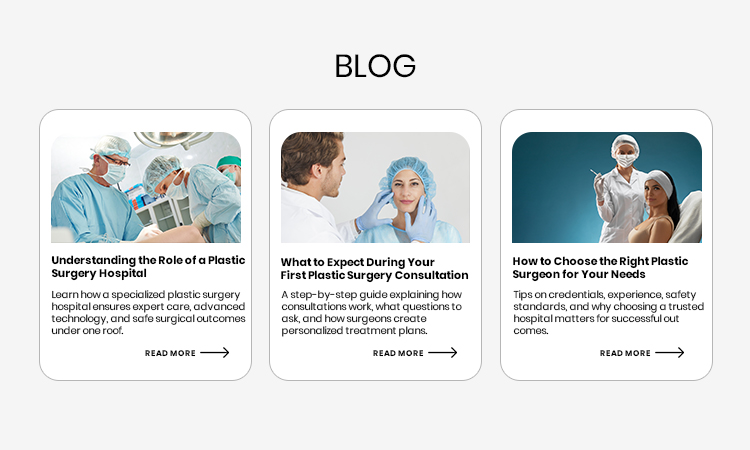
Content is often considered the “King.” Do you know why? Because without content, you will not be able to do the most important part of digital marketing- engaging your audience. Do you know 60% of marketers stated that content marketing helped them generate demand/leads? By creating high-quality and valuable content, plastic surgeons can not only establish brand awareness and enhance customer satisfaction but also position their plastic surgery practice as a trusted source in the industry.
Now you must be thinking, but what does it have to do with reputation? Of course it does!
- Establish Client Trust Through Great Content
Trust is the main pillar of a good reputation, and content marketing provides the perfect space to build it. When your plastic surgery practice consistently delivers high-quality content that directly addresses the common concerns, needs, and interests of your clients, it opens doors to establishing yourself as a reliable source of information.
For example, belonging to the healthcare sector, you can develop informative blog posts about various plastic surgery procedures, pre-treatment, and post-treatment care. This type of content reassures potential clients that you are knowledgeable and are genuinely interested in helping them, fostering trust and reinforcing your reputation.
- Showcase Authenticity and Transparency
Authenticity and transparency are crucial reputation factors. In the era where the majority of customers look for transparency and demand authenticity, content marketing is a vital aspect of effective reputation management for plastic surgeons, as it can help them to effectively showcase their brand values, mission, and vision while maintaining the highest level of transparency.
For example, sharing stories about your business’s community involvement or sustainability initiatives can humanize your practice and showcase your commitment towards making a difference. Remember, authenticity establishes emotional connections, which are vital for successful reputation management. When people feel connected to your plastic surgery practice, they are most likely to trust and refer to you.
- Prevent Negative Publicity
Let’s face it, no business is immune to negative publicity or criticism. However, by implementing effective content marketing strategies, plastic surgery practitioners can easily tackle unfavourable or negative publicity. Make sure to be consistent with publishing relevant and valuable content that diverts attention and mitigates negativity.
For example, let’s say your plastic surgery practice is facing constant criticism for poor customer support. You can simply publish a case study showcasing new approaches you are implementing to better your customer service.
Successful reputation management is not just about damage control; it is about showing potential clients that your practice is dynamic, flexible, and constantly improving.
- Encouraging Positive Client Experience
Satisfied clients are your biggest supporters, and content marketing serves as a great platform to enhance their voices. By sharing success stories, case studies, and testimonials from real clients, plastic surgeons can showcase the positive experiences that clients had with their practice.
Something like creating a video interview with satisfied clients or publishing a blog post that clearly states how your services have solved a specific problem of a client can help establish trust and attract new clients. These stories act as social proof, fortifying the idea that your plastic surgery practice strictly focuses on delivering value and places its clients at the top-most position.
Now we have a clear idea of how crucial content is for effective reputation management, right? So, let’s move on to how plastic surgery practices can enhance their content for reputation management.
- Develop and Publish High-Quality Content: Developing quality content is crucial for successful reputation management for plastic surgeons. Plastic surgery clinics must create high-quality and informative blog posts, case studies, and videos to build expertise and offer value, pushing down negative results in the search results.
- Optimize for Search Engine Optimization: Implement relevant keywords, optimize profiles, and build high-quality backlinks to guarantee that your positive content ranks high for branded searches.
- Maintain Consistency: Establish a regular publishing rhythm in order to keep your audiences engaged.
- Repurpose your Content: Transform a single piece of content, such as a blog, into multiple different formats, like videos or social media posts, to ensure wider reach.
- Flaunt your Client Base: Share content such as positive reviews and testimonials from happy clients to establish trust among potential clients.
- Publish Assorted Content: Plastic surgery practitioners must focus on posting various types of content, including blog posts, guest blogs, articles, and informative guides, and update them regularly to showcase that your website is active and relevant.
In case you are just starting and unfamiliar with the technicalities of content marketing, to ensure successful reputation management, you can perhaps seek professional content marketing services.
- Highlight Skills Using Engaging and High-Quality Videos

With 93% of marketers stating that videos have immensely helped them to boost their brand awareness, it is a significant asset for your reputation management efforts. Through valuable video content, By developing valuable video content, plastic surgeons can significantly improve patient engagement.
To make the most of video marketing, plastic surgeons must consider creating various types of videos, including
- Explainer Videos on Surgery Procedures: Plastic surgeons can leverage these videos to seamlessly explain complex plastic surgery procedures, helping clients to feel at ease and less anxious about upcoming surgeries.
- Sharing Patient Testimonial Videos: Real-life stories from happy patients can establish trust and credibility, encouraging new patients to choose your plastic surgery practice over others.
- Clinic Tour Videos: Videos of your plastic surgery clinic and treatment procedures can make potential clients feel at ease, welcoming, and cozy up with your practice even before their visit.
Here are a few tips on how plastic surgery practices can create valuable video content.
To create effective video content, plastic surgery practices must follow the steps mentioned below:
- Understand your Goals and Audiences: Plastic surgery practices must clearly define who they are willing to target and what they want their videos to achieve. For example, educate or entertain patients.
- Tell a Story: Create a narrative to keep your viewers engaged, even in the case of short clips, using structures like the journey of your plastic surgery practice.
- Script and Outline: Plastic surgeons must plan crucial points or create a detailed outline even before they start filming to stay focused.
- Single Video, Single Message: Make sure to stick to a single core subject in every video in order to avoid confusion.
- Engage Early: Capture your viewers in the first 3-5 seconds with a striking statement or visual.
- Focus on Audio and Lighting: Clear audio and good lighting in videos are non-negotiable resources to showcase professionalism.
- Keep it Short and Valuable: Plastic surgery practices must consider the short attention span and keep their videos short yet valuable.
- Enhance your Presence in Google search
Do you know that 80% of US customers search online for local businesses every week? To appear for local searches and get noticed by local clients who are based in the proximity of your plastic surgery clinic, you must consider leveraging local SEO optimization.
Local SEO plays a significant role in effective reputation management for plastic surgeons. When your practice ranks at the top of the Google search results for relevant keywords, it will signal potential patients that your practice is legit and trustworthy.
Now the question arises, how can you make your practice rank at the top of the search engine results? Although it’s a complicated process, we will break it down for you. SO, here’s how plastic surgery practices can rank high up in the search results.
- Guarantee NAP Consistency: Plastic surgery practices must make sure that the Name, Address, and Phone Number of their practice are consistent across all online platforms. Inconsistency in information might confuse search engines as well as customers, leading to missed opportunities as well as dropped search engine rankings.
- List your Practice in Local Directories: You must register your practice in local directories such as Yelp, Google Business Profile, and Bing to enhance your online presence and guarantee that your plastic surgery practice appears prominently in local search queries.
- Incorporate Location-Specific Keywords: Plastic surgeons must implement location-specific keywords that include their city, region, or neighbourhood into their website content, tags, and meta titles and descriptions. For instance, a plastic surgeon located in New York can use phrases like “plastic surgeon in Manhattan,” “best plastic surgery clinic in Brooklyn,” or “best plastic surgeons in New York” to attract local traffic.
- Write Local Content: Plastic surgeons must generate content that perfectly aligns with local clients who are looking for plastic surgery services. This can include blog posts, industry news, local events, or community involvement. If you feel all of this a little too overwhelming, then you can perhaps seek specialized SEO services.
- Establish Strong Relationships with Patients Through Social Media
A positive social media presence is crucial for successfully engaging with clients and prospects. By leveraging social media, plastic surgeons can not only educate their patients about various plastic surgery procedures but also establish strong relationships with potential patients by connecting with them through promotions and hashtags.
Why Must Plastic Surgery Practices Leverage Social Media for Effective Reputation Management?
- Shaping Public Perception and Fostering Trust
Social media platforms allow plastic surgery practitioners to proactively shape how the public sees their practice online, rather than letting external opinions define them.
By sharing professional content and effectively engaging with followers on social media platforms, plastic surgery practices can foster trust and build credibility before a prospective client even steps inside the clinic.
- Direct Patient Engagement and Education
Directly engaging with clients on social media platforms and educating them plays a major role in effective reputation management for plastic surgeons. Social media platforms like TikTok and Instagram are excellent tools that enable plastic surgery clinics to share informative content about various plastic surgery procedures, anticipated results, and pre-treatment safety tips. This engagement can help to effectively manage patient expectations, establish a well-informed client base, and reduce anxiety.
- Eliminating Negative Feedback
Social media serves as a direct channel where plastic surgeons can promptly and professionally address common patient concerns or negative reviews. A clearly visible and compassionate response can turn negative experiences into positive ones.
- Establishing a Loyal Community
Regularly interacting with clients, responding to every comment, and sharing behind-the-scenes content can humanize your practice. This builds a sense of community and loyalty among potential clients, encouraging positive word-of-mouth referrals.
- Make Use of Paid Search to Achieve Instant Visibility
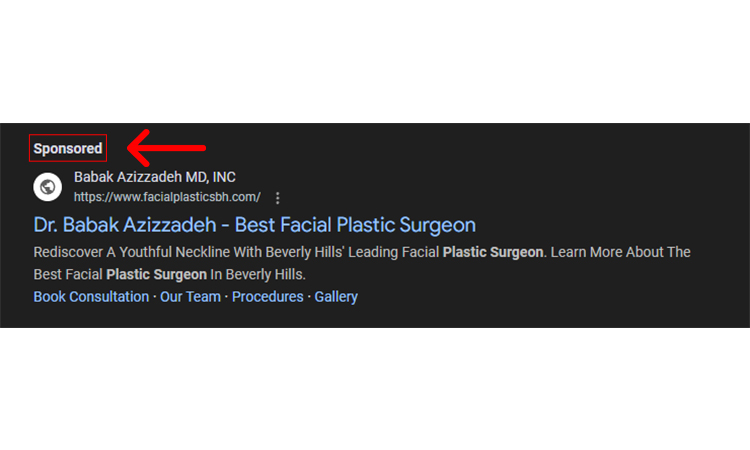
Paid advertising can significantly enhance online visibility and attract more patients. By investing in paid advertising, plastic surgery practices can not only reach a wider audience but also improve their online reputation and drive more organic traffic.
Here are a few types of paid advertising that plastic surgery practices must consider:
- Pay-Per-Click Advertising
These types of ads usually appear on search engine results (SERPs) or partner websites, where plastic surgery practices have to pay a fee every time someone clicks on their ads. The most popular PPC platform is Google Ads. PPC campaigns often allow accurate client targeting based on demographics, keywords, locations, etc.
- Display Ads
They often appear on websites that belong to the Google Delivery Network or other ad networks. Display ads contain videos, images, and other interactive elements. They effectively establish brand awareness and successfully retarget clients who have previously visited your plastic surgery website but did not convert.
- Social Media Ads
Social media ads appear on platforms like Instagram, Pinterest, LinkedIn, and Twitter. These ads are often targeted based on a client’s location, behaviour, demographics, and interests, allowing plastic surgery practices to reach a wider yet highly specific audience.
- Mobile Ads
Plastic surgery practices can use these types of advertisements to deliver promotional messages on devices like smartphones, tablets, and other relevant devices through various formats, including SMS, banners, videos, and in-app advertisements. These types of advertising leverage user data based on their location, behaviour, and demographics in order to drive actions like booking an appointment or signing up for a newsletter. Mobile ads often appear on websites, mobile apps, and search engine results.
Running PPC campaigns can be very crucial to ensure successful reputation management for plastic surgeons, but only when done right. Even a small PPC mistake can hamper your campaigns. To ensure an error-free campaign, you can consider partnering with a professional PPC expert. In case you are familiar with the basics of PPC, here are some of the best practices you can implement to run successful paid search campaigns.
- To run an effective paid search campaign, you must first figure out why you want to run a PPC campaign for your plastic surgery practice. Is it because you wish to maximize your website traffic, enhance conversion rate, or generate high-quality leads?
- Now, you will need to organize your campaigns by products, services or region with hyper-focused ad groups.
- When you are done organizing your campaigns, you need to research keywords that are relevant to your plastic surgery practice. When performing keyword research for your plastic surgery practice, you must focus on,
- Long-tail keywords have lower competition and a high conversion rate.
- Negative keywords, as these save money by guaranteeing your ads do not show up for irrelevant searches,
- Branded keywords have much lower costs, but drive higher conversions.
- Now, choose a keyword match type. Whether you want a broad match (reaches a wider audience), phrase match (will place your ads for a specific query, including your keywords), or exact match (your ad will only appear for the query, including your exact keywords).
- Plastic surgery practices can incorporate tools like Google Keyword Planner, SEMrush, or Ahrefs to conduct thorough keyword research.
- Create an effective and engaging ad copy using easy-to-read language. Your ad copy must be benefit-driven with powerful CTAs, aligning the user’s search intent.
- Incorporate sitelinks, callouts, and location extensions to enhance visibility and CTR.
- Finally, optimize your ad for mobiles and monitor search engine rankings.
- Focus on Patient Relationship and Reputation Recovery

Customers are the most valuable assets of your plastic surgery practice. Retaining unhappy patients as well as fostering strong relationships with satisfied patients are crucial for establishing a positive reputation online.
- Fostering Strong Relationships with Satisfied Patients
The majority of satisfied patients are more likely to recommend your plastic surgery services to their close ones, eventually becoming envoys for your practice. Existing customers spend 67% more on average than those who are new to the business.
Here are a few ways in which plastic surgery practices can foster strong relationships with their existing clients.
- Sending Valuable Emails and Newsletters: Plastic surgery practices must keep their patients updated with engaging and valuable content through emails and newsletters, fortifying the bond with their patients.
- Effectively Engaging on Social Media: Share helpful content on social media, respond to every comment and message promptly and professionally, and establish a community where your clients feel heard and valued.
- Encouraging Referrals and Repeat Visits: Plastic surgery practices must develop a referral program that offers incentives (discounts, early access to exclusive services) to clients for referring your plastic surgery practice to their friends and family. Moreover, make sure to send regular reminders and be available on call for common client queries or confusion, so they keep coming back to your practice.
- Retain Unsatisfied Patients
Building strong relationships with existing patients is not enough to ensure a positive reputation; plastic surgery practices must also focus on patients who left their practice with a heavy heart- a negative experience.
Retaining unhappy clients means turning their negative experiences into positive ones. This is very crucial for plastic surgeons as it can help them build a loyal and satisfied client base while improving the overall patient experience.
A 5% boost in customer retention can increase profits by 25% to 95%. In order to convert unsatisfactory experiences into your biggest supporter, here are a few strategies that plastic surgeons can consider incorporating.
- Clearly Educate Your Patients About Complex Procedures
Plastic surgeons must clearly and detailly communicate complex plastic surgery procedures to their clients to prevent them from getting overwhelmed while building trust, leading to a more well-informed and satisfied patient base.
- Offer Free Appointments
Complimentary appointments can immensely help plastic surgeons address common client concerns, track progress, and make necessary modifications while shaping client perceptions and ensuring client loyalty.
- Highlight Results and Set Realistic Standards
Leverage case studies, before-and-after photo galleries, and client testimonials to showcase the effectiveness of your plastic surgery procedures. Moreover, plastic surgeons must set realistic expectations for clients’ outcomes in order to prevent disappointments.
- Develop an Outstanding Plastic Surgery Website
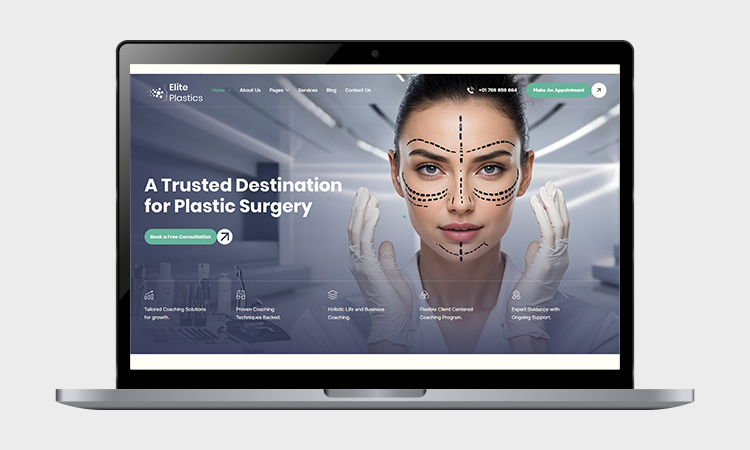
Do you know, 94% of the time, users form an opinion about a website based on its design. This statistic showcases the importance of a well-designed website for effective reputation management for plastic surgeons.
Therefore, guaranteeing that your website is visually appealing, has easy navigation, and is informative enough is vital to create a positive first impression for clients.
To make your plastic surgery website both engaging and informative to visitors, plastic surgery practices must make sure to have these major elements:
- Patient Testimonials: Showcasing the client testimonials from real patients, sharing about their experience with your plastic surgery practice can not only help foster trust but also highlight the quality of care you offer.
- Before-and-after Images: High-quality pictures highlight the effectiveness of treatments and procedures and can visually convey outcomes to prospective clients.
- Show your Certifications and Accreditation: By highlighting relevant certifications, accreditations, and awards, plastic surgeons can boost credibility and showcase a commitment to maintaining high standards of care.
- Develop Relevant and Appealing Content: Offering valuable and engaging content is crucial for informing prospective clients about their treatment options, concerns, and what to expect during their visit.
- Clear Service Pages: A detailed description of medical procedures, including risks, benefits, and what to expect from a treatment.
- Powerful Call-to-Actions (CTAs): Plastic surgeons must incorporate prominent CTA buttons for “Schedule a Consultation,” “View Gallery,” or “Talk to an Expert.’ Make sure the CTA buttons are in contrast to the background to make them clearly visible to the audience.
- Ensure a Mobile-Friendly Design: With 51.56% of web traffic coming from mobile devices, not optimizing your website for mobile can make you miss out on a lot of leads as well as negatively impact your reputation online. Plastic surgery practices must make sure their website functions properly on every device, even on smaller screens like mobiles and tablets.
- Incorporate Interactive Elements: Plastic surgery practices must make sure their website is easy to navigate, contains interactive elements, and includes accurate contact forms to keep their clients engaged. In case you are not familiar with the technicalities of website design, you can perhaps consider partnering with a web design expert.
Why Plastic Surgery Practices Must Partner with a Reputation Management Expert
Reputation management is not an easy job, as it requires constant monitoring. However, managing a plastic surgery practice and regularly tracking your reputation management efforts simultaneously is nearly impossible.
To make the job easier for you, we recommend that you partner with a reputation management firm that offers personalized reputation management services. Here are some major benefits of partnering with a reputation management agency.
- Eliminating Negative Reviews
In today’s digital world, the majority of people are on the Internet, and even the smallest of mistakes goes unnoticed. Even a single review can significantly influence a practice’s online image.
In order to ensure successful reputation management for plastic surgeons, a reputation management expert can incorporate effective reputation management strategies. By incorporating these, they can get positive feedback from a client, professionally address and respond to negative reviews, and make sure the positive reviews from clients are well-displayed.
- Establishing Trust and Credibility
A positive online reputation of your plastic surgery practice can serve as social proof, guaranteeing prospective clients that your practice delivers high-quality plastic surgery services and maintains the highest safety standards.
This is very important in a field where clients are making informed personal and medical decisions.
- Managing High-Stakes Visibility
The outcomes of plastic surgery procedures are clearly visible and prominent. This makes plastic surgery practitioners more vulnerable to strict security and prospective legal or ethical challenges, requiring dynamic management of public perception.
- Showcase Success Stories Ethically
A professional reputation management expert can help showcase client satisfaction and success while effectively navigating the sensitive and regulated ethical guidelines of client privacy and medical marketing.
- Successful Crisis Management
A reputational crisis often arises at the most unexpected times. A dedicated reputation management expert understands this and can help plastic surgery practices make a plan to manage potential issues related to public relations rapidly and successfully, avoiding long-term damage.
FAQ’s
Ans. A positive online reputation can help plastic surgeons foster trust and credibility, attract more potential clients, and increase appointment bookings.
Ans. Plastic surgeon reputation management works by closely tracking online mentions, strategically encouraging and responding to client reviews, developing expert content, utilizing social media to establish trust, and successfully optimizing your plastic surgery practice’s online presence.
Ans. Plastic surgery practices must focus on managing their reputation through three crucial phases: building, maintaining, and recovering.
Ans. Plastic surgery practices can measure the performance of their reputation management efforts by monitoring online reviews, engaging with clients on social media, and tracking search rankings on branded terms.
Conclusion
With the growing competition in the plastic surgery market, building and maintaining a positive online reputation becomes crucial than ever. By implementing effective strategies for reputation management for plastic surgeons, they can not only build trust among potential clients but also strengthen their professional authority. Reputation management is not just about establishing a positive reputation for your plastic surgery practice online, but it is also about monitoring it regularly to ensure people have a positive perception of your plastic surgery practice. Constantly monitoring your online presence, showcasing real outcomes, and maintaining patient-centric communication can help you enhance your public image. In case you are just starting and have no idea how to proceed, you can consider consulting with an experienced reputation management expert.

