



Imagine doing everything right and still not getting enough patients, disheartening, right? As the competition in the healthcare sector is getting fiercer with time, simply offering high-quality medical care is just not enough. With 82.8% individuals leveraging search engines like Google and Bing to search for a healthcare provider, compare options, schedule appointments digitally, and read reviews, it becomes crucial to stand out to attract the attention of more patients. Implementing effective strategies for lead generation for physicians can not only enhance patient acquisition but also increase their brand visibility in the highly competitive market.
If you are a physician who is willing to attract new patients, then this article is for you. It will discuss what lead generation is for physicians, why lead generation is important, effective lead generation practices, and more. So, let’s dive into it.
What is Lead Generation for Physicians
First off, let’s discuss what lead generation is for healthcare practitioners. Healthcare lead generation is the strategic process of attracting patients who are seeking health-related care and then seamlessly guiding them to become loyal patients by scheduling an appointment or consultation. Effective lead generation includes using content and digital marketing strategies to enhance your practice’s visibility, revenue, and credibility in a highly competitive landscape.
How does Lead Generation Work?
Now that we have a clear understanding of what lead generation is for physicians, let’s take a look at how it works for physicians.
- Attraction and Awareness: Leveraging SEO, content marketing (blogs, articles, videos), and targeted ads to attract patients who are looking for healthcare services.
- Engagement: Establishing trust by offering valuable information, effectively managing online reviews, and providing patient-friendly experiences.
- Conversion: Encouraging patients to take a desired action, such as filling out a contact form or scheduling an appointment, by making the process more seamless for interested patients.
- Nurturing: Following up with qualified leads to establish relationships and easily guide them through their decision-making process, turning them into loyal patients.
Why Does Medical Lead Generation Matter for Healthcare Providers
Lead generation is crucial for physicians for several reasons. In this section of the blog, we have listed a few of them.
- To Ensure Practice Growth and Sustainability: The major reason why lead generation is important for physiotherapy in every healthcare practice is that new patients are their “bread and butter.” Effective lead generation can help physicians take a potential patient from simply being aware of their practice to actually scheduling an appointment with their practice. This is very important for ongoing growth and generating high revenue.
- Targets the Right Audience: Advanced lead generation tactics can help physicians target the most relevant potential patients. This level of precision can help medical professionals connect with individuals who are exactly looking for what you offer.
- Guarantees a Consistent Patient Flow: A steady flow of new patients is crucial for practice growth. By implementing effective lead generation methods, healthcare practitioners can ensure that their appointment schedules remain full, allowing them to give all their care to patients in need.
- Increase Networking and Collaboration Opportunities: Advanced lead generation strategies can help physicians generate high-quality leads. And the higher the quality of leads generated, the higher the chances of collaborations and partnerships. This will help strengthen your professional reputation and enhance credibility.
- Offers a Competitive Edge: With the rising number of healthcare providers globally, relying solely on traditional marketing strategies like word-of-mouth can make you miss out on a significant amount of leads. A carefully planned lead generation strategy can help a physician practice stand out, get the attention of a wider audience, and stay ahead of the competition.
Best Practices for Healthcare Professionals for Generating High Quality Leads
In order to target, attract, and convert the right audience, here are some of the practices for successful lead generation for physicians that they must focus on implementing. This section of the blog will give you a clear idea of some advanced lead generation tactics that you cannot afford to ignore.
- Build a Strong Online Presence
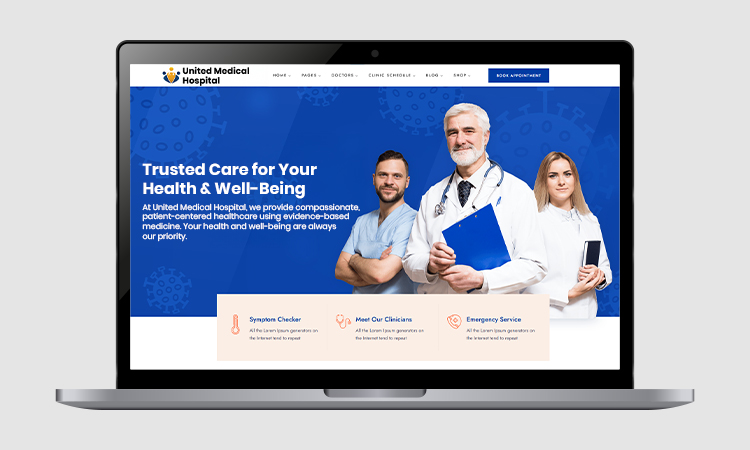
With the majority of patients turning to the Internet to search for healthcare providers by going through their reviews and reputation online, building and maintaining a strong online presence has never been so crucial. Do you know that 72% of patients consider online reviews when looking for a new healthcare provider? This statistic proves the importance of a positive online presence.
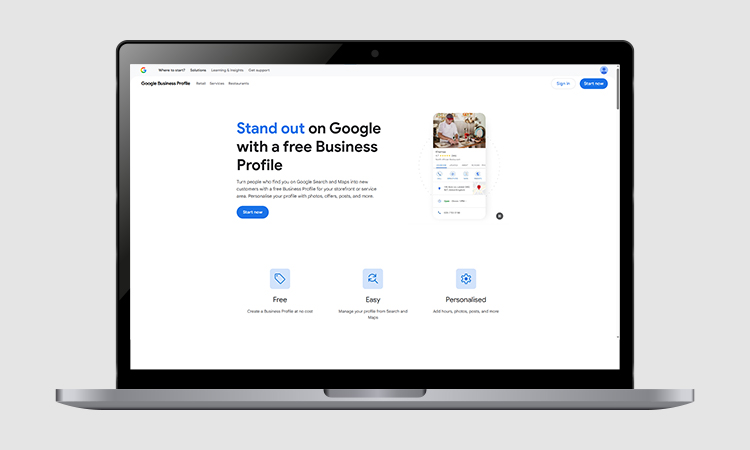
Start by developing a website for your physician practice, profiles on social media platforms like Instagram and Facebook, claiming your Google Business Profile, and managing and responding to reviews online.
Not only that, but 59% of customers check more than two review sites before making a decision, so physicians must also make sure to create profiles and manage reviews on popular review sites such as ZocDoc and Yelp. This will not only help establish trust but will also leave a positive first impression in the minds of your potential patients, making them choose your practice over others.
However, collecting reviews is not enough; physicians must respond to every review promptly, be it negative, positive, or neutral. Respond with a short thank you message for positive reviews, and in case of negative feedback, it is best to take it offline and resolve it in order to adhere to healthcare regulations like HIPAA compliance.
- Incorporate Effective SEO Practices for Physicians
Search Engine Optimization can greatly help physicians enhance their practice’s online visibility by boosting their website rankings in the SERP’s as well as help drive organic traffic to their website.
While paid ads are very effective, SEO is a better option if you wish to determine what potential patients are regularly searching for and drive high-quality traffic to your website. By implementing best SEO practices, physicians can rank on the first page of Google’s search results and gain more clicks.
Here are some effective SEO strategies that Physicians can incorporate for Successful Lead Generation.
Local SEO:
- Optimize your Google Business Profile: This is a vital step for effective local lead generation. Physicians must make sure that their practice’s name, address, phone number (NAP), hours of operation, services, and photos are complete, accurate, and consistent. This can help them appear in a prominent position in “near me” searches and Google Maps results.
- Establish Consistent Citations: Make sure to maintain NAP consistency across all online directories. Inconsistent NAP information might confuse your patients as well as the search engines.
- Incorporate Local Keywords: Physicians must make sure to incorporate location-specific keywords (e.g., “best pediatrician in Canada”, “orthopedic doctor near me”) organically into your website’s content, meta description, and title page to attract patients who are based in your geographical area.
- Encourage Satisfied Patients to Leave Reviews: Positive reviews are valuable assets and act as significant trust signals for both patients and the search engines. Physicians must actively but ethically ask happy patients to leave their valuable feedback on Google, Yelp, and promptly and professionally respond to all reviews to show that they value their patients’ opinions.
Content and Expertise:
- Develop High-Quality, Relevant Content: Google considers medical topics as “Your Money or Your Life” standard, requiring a high degree of Experience, Expertise, Authoritativeness, and Trustworthiness. By creating high-quality, authentic, and authoritative content, physicians can generate high-quality leads. Let’s take a look at how physicians can create content following Google’s EEAT framework.
- Prioritize Patient Education: Physicians must develop articles, blogs, and FAQs that address common patient concerns in simple and easily readable language.
- Highlight Credentials: Credentials are major drivers of lead generation for physicians. Make sure all the content you are publishing is properly written and reviewed by experts or qualified physicians. Furthermore, all the content must have relevant author bios, professional affiliations, and board certifications in order to build credibility.
- Leverage Video Content: Physicians must create short, insightful videos explaining procedures or answering common patient queries. This will likely boost engagement and foster a personal connection with prospective patients.
- Optimize for Search Intent: You must focus on implementing “long-tail” or conversational keywords that are relevant to your physician practice. These are very specific keywords that are frequently used by patients when they search for information online. Optimizing your website for search intent can help you generate more leads.
- Implement Schema Markup: Incorporate healthcare-specific schema (e.g., Physician Schema) to help search engines better understand your content and display rich snippets in search results.
Technical and User Experience:
- Guarantee Mobile-Friendliness: As the majority of health-related searches happen through mobile devices, physicians must make sure that their website is well-responsive on mobile devices and is easy to navigate on smaller screens. A mobile-friendly website is a major lead driver.
- Enhance Page Loading Speed: Websites that take more than 3 seconds to load often witness a high bounce rate. Physicians must make sure to compress the image size, minify codes like CSS and JavaScript, and incorporate tools such as Google PageSpeed Insights to check and enhance the speed of their healthcare website.
- Simplify Website Structure: Organize your website strategically with a separate page for each condition, treatment, service, location, and physician. This will make it easier for the patients to find information, and search engines to easily crawl and index your website.
- Focus on Security and Compliance: Physicians must make sure that their website leverages HTTPS and that all lead capture strategies (chatbots, forms) are HIPAA-compliant to safeguard patient privacy and foster trust.
- Create High-Quality, Authentic Healthcare Content

Every day, millions of people turn to Google with their health-related queries. With this, a significant amount of content is being posted online. Do you know that 96.55% content gets zero traffic from Google? This is because they fail to catch the eye of the audience or reach the right audience.
In this vast sea of content, creating engaging, relevant, and keyword-rich content is the key to standing out and achieving high-quality leads. However, it is not easy to be unique in terms of content, but it is not impossible.
So, here are a few ways physicians can develop valuable and high-quality content that stands out and generates leads.
- Focus on Authority and Accuracy
Developing authoritative and accurate content is great for lead generation for physicians. As medical professionals, physicians possess a high level of credibility. This authority should be the base of all content they create. All your content must be evidence-based, medically relevant, and up-to-date. Physicians must make sure to create authentic content that busts common healthcare myths, directly answers patient queries, and offers reliable health-related information to patients.
- Identify and Address Common Patient Needs
Content is considered to be the most valuable when it addresses the common health-related concerns and misconceptions. Physicians should focus on identifying the queries that patients often ask during appointments and incorporate them into their content. This will help them make sure the information is directly relevant to their patients’ needs and concerns.
- Break Down Complex Medical Topics
Remember, not everyone’s first language is English. Patients come from different backgrounds, and not everyone speaks the same language. Which is why, when developing content on complex medical topics, physicians need to be extra careful with the words they are using. Use basic, easy-to-understand language and avoid complex medical terms where possible.
Keep the tone direct, and avoid loading your content with too much information. Rather, break down complex medical terms into simple step-by-step guides to avoid confusion.
- Tell Stories and Use Case Studies
Physicians can incorporate real-world examples into their content strategy to make their content more relatable and memorable than general medical facts. Sharing real-world experiences of previous patients can help your potential patients better understand conditions, treatments, and outcomes.
- Use Various Content Formats
Physicians can leverage diverse content formats, including:
- Videos: This type of content offers a more personal connection and is an exceptional way for showcasing common physical therapy exercises, explaining complex mental therapy procedures, or even conducting Q&A sessions on healthcare
- Infographics: These are great for simplifying statistics, engagingly comparing treatment options, and breaking down complicated injury treatments.
- Blog Posts and Articles: Physicians can develop blogs and articles clearly explaining common symptoms of any underlying medical issue, physical conditions, and preventive care. This will help foster trust among patients.
- Engaging Content: From time to time, physicians can share quiz questions or symptom checkers to engage users and help them gain a better understanding of their health engagingly.
- Maintain an Empathetic Tone
Healthcare is a sensitive topic, so you cannot just create generic content like other sectors. Physicians must make sure that their content has an empathetic and reassuring tone, directly acknowledging patients’ fears and successfully supporting them through their entire healthcare journey. However, if you are not familiar with the technicalities of content marketing, we recommend that you seek professional content marketing services.
- Optimize for Search Engines
Optimized content is crucial for lead generation for physicians. Creating content but not optimizing it for search engines is a major mistake that healthcare professionals often make. Creating high-quality content is not enough; you need to incorporate it with relevant keywords to make sure it reaches the right audience. For this, physicians must conduct thorough keyword research and determine the type of keywords patients are using to search for their services or products online.
- Collaborate and Cross-Promote
Physicians must partner with other healthcare professionals, organizations, or industry experts to widen their reach and add a broader perspective to their content.
- Include a Clear CTA
At the end of all your content pieces, you can include a clear and prominently visible CTA to easily guide readers to the next step. Adding CTAs like “Schedule an appointment” or “Contact us now!” can encourage readers to take a desired action, like scheduling an appointment or making a phone call.
- Leverage Email Marketing Campaigns

Email marketing is an excellent way to not only attract high-quality leads but also turn interested patients into loyal ones. However, to ace the lead generation game through email marketing, you require a proper strategy. So, let us take a look at how physicians can attract leads through an effective email marketing strategy.
Establish your Foundation:
- Website and Forms: Physicians must make sure that their website contains clear sign-up forms and accurate contact information to attract leads.
- Use Accurate Sender Identity: Make sure to leverage an easily identifiable email address (e.g., dr.johnwhitmore@abcclinic.com) to foster trust.
- HIPAA Compliance: Physicians should keep all communication secure and compliant with patient privacy laws.
Create Content that Converts
- Offer Values: Offer free, high-value content such as comprehensive guides and eBooks in exchange for email addresses.
- Topic Ideas: Focus on medical topics, introduction of a new service, healthcare tips, annual health checkup reminders, and answers to common patient queries.
- Showcase Expertise: Leverage storytelling, proprietary data, or industry analysis to demonstrate expertise.
Segment and Personalize
- Audience Segmentation: Physicians must group subscribers by interests, location, or condition type to send highly personalized emails.
- Personalization: Make sure to include the name of the patient and tailor their messages based on the information you are willing to convey. For example, New Treatment Option for [Condition] Available at [Clinic Name].
Craft Engaging Emails
- Write Clear Subject Lines: Subject lines of your emails must be short (between 50-70 characters), action-oriented (e.g., “Learn”, “Explore”), and clear.
- Powerful CTAs: Physicians must successfully guide users with clear CTA buttons like “Schedule Appointment” or “Contact us now!”
- Value Proposition: Clearly demonstrate what is inside the email, how it will benefit them, and why they must take action. Showcasing how their practice’s services stand out from the others is crucial for high-quality lead generation for physicians.
Encourage and Convert Leads
- Welcome Series: Physicians can send automated emails clearly introducing their practice and setting expectations.
- Drip Campaigns: You must successfully educate your existing patients and guide them with a series of emails over time.
- Patient Stories: Share positive patient testimonials and real reviews from patients with proper consent to establish trust and social proof.
Constantly Track and Optimize:
- Monitor Key Metrics: Physicians must make sure to track major email marketing metrics, including click-through rates, conversion rates, and open rates, to determine the effectiveness of their email marketing campaigns.
- A/B Test: Make sure to test with different subject lines, content, and CTAs to determine what aligns best with your potential audience.
- Host Webinars and Online Health Events

Live or in-person events can be great assets to attract new leads. But, they only reach people who are present at that specific event. Once the events draw to a conclusion, your chances of capturing additional leads diminish. Online events like webinars are effective in such cases. Webinars can help physicians continue generating leads and interest even after the live session ends. In fact, 95% of marketers consider webinars important for their strategy.
By hosting webinars and Q&A sessions, and then promoting on social media and other platforms, physicians can gain multiple lead generation opportunities. Here’s how physicians can create a successful lead-generating webinar for their practice.
- Understanding your Target Audience
Identifying your target audience is the foundation of any successful marketing strategy. In the case of webinars, it is no different.
- Identify your Ideal Target Audience
Determining who your ideal audiences are can help you achieve exceptional results for lead generation. Take your time and clearly note down your ideal patient profile- their traits, objectives, and concerns of the individuals who are looking for your products and services. It will help with accurate targeting and relevant messaging that aligns perfectly with your target audience.
- Personalize your Webinar Content to Audience Needs
Once you have figured out who your target audiences are, you need to personalize the content of your webinar in order to meet their unique needs. For this, physicians must tailor their content in a way that directly addresses the specific pain points and preferences of their target audience. This will guarantee that people feel interested in your webinar, captivating their attention, enhancing both lead generation and conversion rates.
- Choose the Right Webinar Platform
Selecting the right platform to conduct the webinar is as crucial as developing effective webinar content. Physicians must make sure that their choice offers the best experience for everyone who will be a part of the webinar.
- Factors to Consider When Choosing a Platform
When looking for the best webinar platform, physicians should consider factors such as ease of use for both attendees and the host, integration abilities with their email or CRM software, and offering high-quality audio and video. A platform that offers all these features can enhance the experience of webinar attendees.
Best Webinar Platforms for Physicians
Here are some of the top picks for webinar platforms that can help with effective lead generation for physicians.
- Demio: This webinar platform features an easy-to-use interface, seamless scheduling, and powerful engagement tools. It easily integrates with popular systems, helping physicians with effective promotion, live or pre-recorded webinars for at least 500 attendees, and gain comprehensive analytics to measure the effectiveness of the event.
- Zoom Webinars: This is a pretty renowned app that physicians can use to host webinars or for online communications. Zoom Webinars is easy to use, offers high-quality audio and video, and can help physicians set up webinars without much hassle. It features easy integrations, engaging features, and measurable audience capacity. Zoom Webinar is a great tool for physicians who are just starting and have a tight budget.
- BigMarker: This tool is personalized for custom-branded webinars. BigMarker can help physicians with easy branding throughout the webinar experience. This tool features evergreen webinars, built-in marketing tools, and lead generation tools. If you are a large-scale physician practice, then this is the ideal webinar tool for you, as it offers unlimited webinars and attendees.
- eWebinar: If you are looking for automated, pre-recorded webinars, then this tool is for you. eWebinar allows physicians to record a session and then turn it into an automated webinar. Even with pre-recorded webinars, this tool gives the feeling of “live” with pre-set responses and timely interactions. eWebinar features automated recording and scheduling, interactive features such as Q&A sessions and polls, and on-demand, evergreen webinars.
Efficiently Schedule your Webinars
The timing of your webinars may affect your registrations. Here are a few key considerations for physicians when scheduling their webinars.
- Best Time and Days for Webinars
To gain maximum engagement, it is advised to host webinars midweek (Tuesday-Thursday) between late morning and early afternoon (11 am-2 pm). However, the best time to host webinars heavily depends on your specific audience. Physicians must research to determine when their patients are most likely to engage in a webinar.
- Considerations for Various Time Zones
In case your target patients are from different regions, effectively dealing with time zone differences is vital. When planning to host a webinar, physicians must consider the time zone where most of their audiences are based and leverage effective broadcast tools so that patients can attend the webinar irrespective of where they are located.
- Use Paid Advertising and Media Strategically

Paid ads are a great digital marketing strategy to generate leads. In fact, 72% of successful marketers leverage paid ads to generate leads. Physicians can leverage paid ads to enhance their practice’s online visibility. In the modern day, when individuals search for new healthcare providers, they often type in queries like, “Best heart specialist downtown” or “who is the best audiologist near me.” Since the majority of the population uses Google, a robust paid ad strategy can help elevate your online presence and generate high-quality leads.
Now the question arises, how can you develop an effective paid ads strategy in order to generate leads? Here’s a step-by-step guide on how you can do it.
Step 1: Choose your Target Audience
Before you even start developing your paid ads strategy, you need to determine which audience you wish to target, where they are, and what is going to engage them the best. When you have a clear idea about these, it will be easier for you to set up your advertising campaign, when you run your ads, and how to design your landing pages.
Step 2: Choose a Platform to Run your Ads
Next, you need to decide which social media platform you want to run your campaign on. Choosing the right platform to run your practice’s advertisements on is essential for lead generation for physicians. Your social media strategy must be based on the platform preferences of your target audience, your services/treatments, and your target market. Physicians must remember that certain social media platforms work better for some industries while others work better for other companies. For example, as a physician, you can run video ads on YouTube, Instagram, and Facebook, and static ads on Google.
Step 3: Create Compelling Landing Pages
Physicians must develop ads that will easily captivate the attention of potential leads. Make sure the content of your landing page is relevant to your ad content and offers accurate information; this will help build trust among the leads.
Creating a dedicated landing page for each ad and ensuring it conveys every detail that the ad contains is the most important part of any ad campaign. Your landing page will serve as the first impression of your practice, so physicians must make sure its content perfectly aligns with that of their ads to avoid confusion among visitors.
Step 4: Leverage your Form in the Ad
If you are running ads on Facebook or Instagram, it allows you to include your form in your ad. This can serve as a great opportunity to convert your audience into loyal patients, even without leaving the ad, making the form-filling process more seamless. This can lead to a higher conversion rate as leads do not have to go to another page to fill out a form.
Step 5: Give Out Compelling Incentives and Offers
Content and what you are offering are the most crucial elements of PPC that physicians cannot afford to miss. If your ad is not engaging enough, the chances of getting clicks are very low. To make your ad engaging enough, you must offer eye-catching incentives such as “Get a free consultation today!” or “20% off your laser vision correction surgery.”
Step 6: Incorporate Negative Keywords
Keywords are the major drivers of your PPC campaigns. Now, you might think that negative keywords are inefficient, but you can actually consider them, as they will help exclude irrelevant keywords, so that you do not have to empty your pockets on clicks that are not relevant to your practice. Excluding keywords such as “Free” or “Cheap” must be excluded.
Step 7: Leverage Ad Extensions
Ad extensions are an excellent way to show what you are trying to achieve to a potential patient. These extensions could include signing up for a free trial, a contact us button, or even a sign-up for regular updates. These extensions can allow physicians to make their ad stand out from other ad campaigns, making it easier for audiences to use.
Step 8: Test and Monitor
Setting up a PPC campaign is not enough; physicians must test and monitor it regularly to determine whether it is attracting the right audience or not. Some might think they can easily copy a competitor and not put much effort into it; however, it is not true. PPC ads are not a one-size-fits-all approach, which makes every campaign unique.
When testing your physician ad campaign, you must look out for the following:
- Headlines
- Images
- Extensions
- Offers
- Scheduling
- Keywords
In case you are new to this and have no idea how to get started, you can perhaps partner with a professional PPC expert.
- Engage in Local Events

Local events are highly crucial for successful lead generation for physicians. These events consist of conferences, medical camps, or workshops, and CME programs serve as an exceptional opportunity to engage and connect with industry professionals, fellow healthcare providers, healthcare organization founders, and even potential patients.
Local events like these can immensely help healthcare practices to make the most of these new acquaintances, transforming them into great lead generation opportunities.
However, your lead generation approach must align with the type of event you are attending. At a medical workshop, you might offer free medical advice in exchange for newsletter signups. On the other hand, at a healthcare conference, you can collect business cards from healthcare professionals.
So let’s discuss a few ways in which physicians can generate leads by engaging in local events.
- Provide Free Services: Medical practices can set up booths at health fairs for blood pressure checkups, quick consultations, or BMI screenings to attract more patients while showcasing their expertise.
- Organize Educational Sessions: Short talks or workshops on relevant health topics (e.g., seasonal allergies, heart health, and diabetes) to position your healthcare practice as an authoritative source.
- Sponsor and Engage: Physicians can sponsor local school sports events or community festivals to boost brand awareness, visibility, and goodwill.
- Offer Value: Organize giveaways of useful items, such as first-aid kits, water bottles, and branded sanitizers with your practice’s name and information on them, to generate leads.
- Network Activity: Reach out to and connect with community leaders, fellow physicians, and local clinics and hospitals to generate potential referrals.
- Simplify the Patient Contacting Process
Physicians must make sure that their potential patients can reach out to them easily and without any hassles. Offer them multiple ways to get in touch with you, such as phone calls, emails, online forms, and even text messages. You must ensure that your contact details are correct and are prominently visible on your website, review pages, and social media.
CTAs make up a significant part of your contact process. They are powerful buttons that have the potential to instantly captivate the attention of patients and increase form conversions. In fact, leveraging a clear and specific CTA can boost conversion rate by 161%.
Physicians can use CTAs like “Call today!”, “Schedule a free consultation!” or “Contact us now!” on their website or online forms to encourage a patient to take a desired action like booking an appointment or filling out a form. Without a clear and relevant CTA, it is not very likely that patients will consider your healthcare practice.
Whether a patient is simply exploring or is seeking a specific service you offer, a clear CTA ensures that patients have a clear path forward.
Major Lead Generation Mistakes and How Physicians Can Avoid Them
Lead generation is not an easy task, and a lot of businesses often mess it up. However, lead generation can be effective only when done right. So, here are some of the major lead generation mistakes that physicians must avoid.
- Absence of Website Optimization
Let’s face it, there is nothing more frustrating than a page that takes forever to load, uses complicated formats, and contains outdated information. A website that is not optimized well can cause missed leads.
In order to avoid this mistake, physicians must work closely with their content and technical teams to make sure their website performs well in local search results, is easily accessible to everyone, and can be navigated seamlessly.
Make sure to optimize your practice for search engine optimization and guarantee that your website is displayed effectively, even on smaller screens like mobile devices.
An in-depth website content and functionality audit is crucial to ensure successful lead generation for physicians.
- Not Incorporating Lead Generation Forms in Paid Ads
Lead generation forms are a vital tool for gathering patient data. However, failing to incorporate these in your paid ads can heavily impact your lead generation efforts. This is because you are entirely wiping out the possibility of acquiring a plethora of lead data from those who are clicking on your ad.
By using the capabilities of Facebook Lead Ads, Google Lead Form Ads, and TikTok Lead Generation within paid ads, physicians can gain insightful data from the wide group of users present on each platform, even without having to guide them to a landing page.
- Not Adhering to HIPAA Compliance
The Health Insurance Portability and Accountability Act (HIPAA) is a set of regulations especially designed to safeguard the privacy and security of patient information in healthcare.
It mandates adherence to strict standards in order to safeguard private patient information that might lead to severe financial and legal consequences for healthcare providers, including penalties and fines.
Note: HIPAA is quite a complicated topic, and its regulations are constantly changing. So, it might be difficult to keep up with the changes, especially if a physician is not familiar with the technicalities of it.
- Ineffective Online Reputation Management
How people perceive your physician practice matters a lot in lead generation. This is why effective online reputation management is crucial. Credibility and trust are non-negotiable, especially when it comes to healthcare.
Positive reviews from real patients can not only make your physician practice more visible to potential patients but also offer a competitive edge, encouraging patients to choose your services over your competitors.
Physicians must make sure to optimize their business’s Google Business profile. A complete and verified GBP can greatly help attract local patients by offering a quick snapshot of what your business is about, your offerings, reviews, and valuable social proof.
- No Proper Planning of a Crisis Situation
Absence of proper crisis communication can negatively hurt lead generation for physicians. A crisis can come without any warning, causing a significant amount of missed leads. So, physicians must plan for the worst beforehand. This will help physicians to effectively handle a crisis situation, which can help gain trust and prevent losing clients in the midst of an emergency situation.
By developing an effective crisis communication plan, physicians can gain timely, precise information and reassure patients that their healthcare services are safe and reliable, especially in times of urgency and crisis.
Patients are likely to engage with a physician practice that showcases transparency and responsiveness during challenging situations. Not having a proper communication plan often leads to misunderstandings, erodes the patient’s trust, and hampers your lead-generation efforts.
Key Metrics to Track for Lead Generation
In order to track ROI successfully, here are some major metrics that physicians must track.
- Conversion Metrics
Conversion rate is the measurement of the percentage of leads that are progressing to the next step in the sales funnel. Determining this metric is crucial to evaluating the success of your lead nurturing process and overall lead generation approaches.
This metric is directly proportional to the number of leads generated. This is because the whole point of generating leads is to identify new leads who are interested in converting.
The formula to calculate lead conversion is: Conversion Rate = (Total Number of Leads/ Number of Leads Converted) x 100
- Cost Per Lead
CPL, or Cost Per Lead, is the measurement of the average cost that physicians are spending on acquiring a single lead. By understanding the cost per lead effectively, physicians can easily determine whether their marketing investments are giving off a good ROI, and then make informed choices on where they must put more focus.
The formula to calculate cost per lead is: Total Cost of Lead Generation/ Number of Leads Generated.
- Reach Rate
Reach rate is the measurement of how many prospective patients your physician practice is engaging in live conversations with. This directly influences how quickly leads move towards a desired goal.
- Patient Acquisition Cost
This metric is used to measure the average cost of acquiring a new patient. Tracking patient acquisition cost can help physicians make sure that their acquisition efforts are profitable and that they will not exceed the marketing budget.
The formula to calculate acquisition cost is: Total Cost of Acquisition/ Number of New Customers Acquired.
- Revenue Attribution
Revenue attribution is vital to track for effective lead generation for physicians. This metric tracks the value of opportunities that have been created directly by marketing and revenue that are influenced by marketing efforts.
FAQs
Ans. Physicians can generate high-quality leads online by implementing a combination of strategies, including search engine optimization, online reputation management, paid advertising, and content marketing.
Ans. In order to automate lead generation for healthcare practices, top tools include HubSpot for CRM or automation, Podium to manage reviews and SMS, and Unbounce to establish high-converting landing pages.
Ans. To stay compliant while generating high-quality leads, physicians must leverage HIPAA-compliant CRM or forms, guarantee secure data handling, develop transparent content, and establish trust through positive patient feedback and clear CTAs.
Conclusion
The healthcare industry is constantly evolving, and as a result, many healthcare businesses are lagging due to a lack of proper digital skills, techniques, and knowledge. Through effective lead generation for physicians, you can not only attract ideal patients online, boosting revenue, but also establish a solid digital reputation. By implementing the lead generation strategies mentioned above, physicians can generate high-quality leads. In case you do not have the expertise to initiate lead generation for your physician practice, you can perhaps partner with a reputed healthcare marketing expert.

